Explore quote graphics, TikTok Live debate topics, YouTube videos,
discussion starters, and featured voices.
Showing 0
of 0 items
Content Type
Voices & Sources
BROWSE THE COLLECTION
Inside The Vault
Choose a card to open the complete post.
Quote GraphicDearden2007
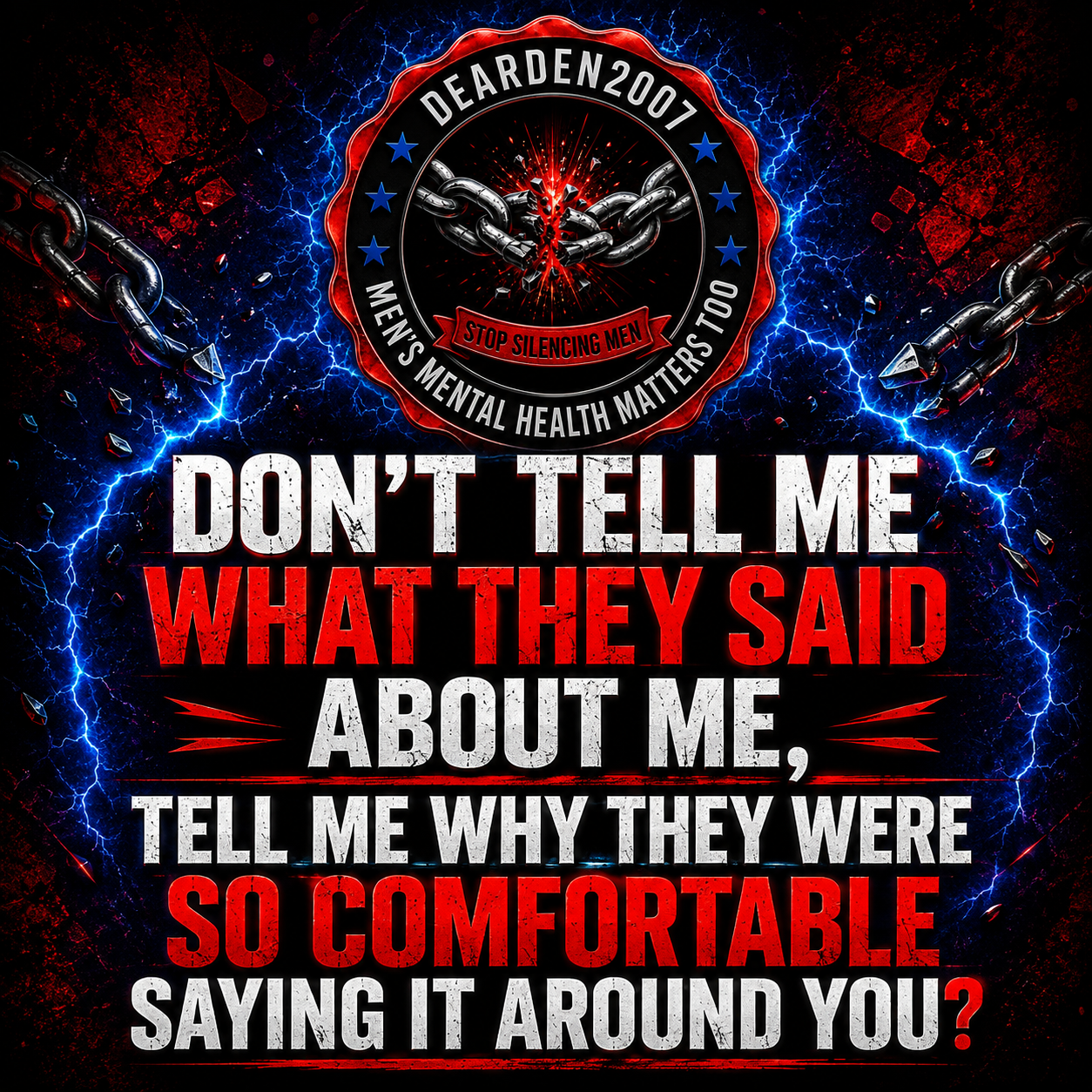
Don't tell me what they said...
This quote is about loyalty, respect, and what people allow when you are not in the room.
A strong description could be:
This quote challenges people to look beyond the insult itself and pay attention to the environment that made the disrespect feel acceptable. If someone feels comfortable speaking badly about you around a friend, partner, or family member, the bigger question is why they believed they could do that without being challenged.
Real loyalty is not just how someone treats you when you are present. It is also how they represent you when you are absent. A person who truly respects you should not encourage, entertain, laugh along with, or remain comfortable with someone tearing you down behind your back.
For Dearden2007, this message is about boundaries, trust, and accountability. Sometimes the deepest betrayal is not what another person said about you, but realizing someone close to you created a space where that disrespect felt safe.
This quote is about loyalty, respect, and what people allow when you are not in the room.
A strong description could be:
This quote challenges people to look beyond the insult itself and pay attention to the environment that made the disrespect feel acceptable. If someone feels comfortable speaking badly about you around a friend, partner, or family member, the bigger question is why they believed they could do that without being challenged.
Real loyalty is not just how someone treats you when you are present. It is also how they represent you when you are absent. A person who truly respects you should not encourage, entertain, laugh along with, or remain comfortable with someone tearing you down behind your back.
For Dearden2007, this message is about boundaries, trust, and accountability. Sometimes the deepest betrayal is not what another person said about you, but realizing someone close to you created a space where that disrespect felt safe.
YouTube VideoPrayers by Many For All Gods Creations
Prayer for breaking curses #short
John Elkhart
Heavenly Father,
I repent of any sins in my life, and my ancestors lives, that have resulted in a curse, I repent of all disobedience, rebellion, witchcraft, Idolatry, lust, perversion, adultery, fornication, mistreatment of others, murder, cheating, lying, sorcery, Divination and occult involvement.
And I ask for your forgiveness and cleansing through the blood of the lord Jesus Christ. I take authority over and break any and every curse upon my life in the name of Jesus. I break all curses of poverty, lack, debt, destruction, sickness, death and Vagabondism. I break all curses on my marriage, my family, my children, my home, and my relationships. I break curses of rejection, pride, rebellion, lust, hurt, incest, r*pe, Ahab, Jezebel, fear, insanity, madness, and confusion. I break all curses affecting my finances, my mind, my sexual character, my emotions, my will, and my relationships. I break every hex, jinx, spell, and spoken curse over my life. I break every fetter, shackle, chain, cord, habit and cycle that is a result of a curse according to Galations 3:13 - I have been redeemed by the curse of the law, by the sacrifice of Jesus. I exercise my faith in the blood of Jesus and I loosen myself and my descendants from any and every curse. I claim forgiveness, through the blood of Jesus, for the sins of the fathers, all of my sins have been remitted. And I loosen myself from the curse that came as a result of all disobedience, and rebellion to the word of God. I exercise my faith. And I know that confession is made unto salvation according to Romans 10 - therefor I confess that Abraham's blessings are mine. I am not cursed, but I am blessed. I am the head not the tail. I am above and not beneath. I am the lender and not the borrower. I am blessed coming in and blessed going out. I am blessed and what God has blessed cannot be cursed. I command spirits of rejection, hurt, bitterness, unforgiveness, bondage, torment, death, destruction, fear, lust, perversion, mind control, witchcraft, poverty, lack, debt, double-mindedness, sickness, confusion, infirmity, pain, divorce, separation, strife, contention, depression, sadness, loneliness, self-pity, self-rejection, anger, rage, wrath, anguish, vagobondism, insecurity, inferiority, abuse, and addiction to come out in the name of Jesus. Lord I thank you for setting me free from every curse. And from every spirit that has operated in my life as the result of a curse.
In Jesus name i Pray
Amen
John Elkhart
Heavenly Father,
I repent of any sins in my life, and my ancestors lives, that have resulted in a curse, I repent of all disobedience, rebellion, witchcraft, Idolatry, lust, perversion, adultery, fornication, mistreatment of others, murder, cheating, lying, sorcery, Divination and occult involvement.
And I ask for your forgiveness and cleansing through the blood of the lord Jesus Christ. I take authority over and break any and every curse upon my life in the name of Jesus. I break all curses of poverty, lack, debt, destruction, sickness, death and Vagabondism. I break all curses on my marriage, my family, my children, my home, and my relationships. I break curses of rejection, pride, rebellion, lust, hurt, incest, r*pe, Ahab, Jezebel, fear, insanity, madness, and confusion. I break all curses affecting my finances, my mind, my sexual character, my emotions, my will, and my relationships. I break every hex, jinx, spell, and spoken curse over my life. I break every fetter, shackle, chain, cord, habit and cycle that is a result of a curse according to Galations 3:13 - I have been redeemed by the curse of the law, by the sacrifice of Jesus. I exercise my faith in the blood of Jesus and I loosen myself and my descendants from any and every curse. I claim forgiveness, through the blood of Jesus, for the sins of the fathers, all of my sins have been remitted. And I loosen myself from the curse that came as a result of all disobedience, and rebellion to the word of God. I exercise my faith. And I know that confession is made unto salvation according to Romans 10 - therefor I confess that Abraham's blessings are mine. I am not cursed, but I am blessed. I am the head not the tail. I am above and not beneath. I am the lender and not the borrower. I am blessed coming in and blessed going out. I am blessed and what God has blessed cannot be cursed. I command spirits of rejection, hurt, bitterness, unforgiveness, bondage, torment, death, destruction, fear, lust, perversion, mind control, witchcraft, poverty, lack, debt, double-mindedness, sickness, confusion, infirmity, pain, divorce, separation, strife, contention, depression, sadness, loneliness, self-pity, self-rejection, anger, rage, wrath, anguish, vagobondism, insecurity, inferiority, abuse, and addiction to come out in the name of Jesus. Lord I thank you for setting me free from every curse. And from every spirit that has operated in my life as the result of a curse.
In Jesus name i Pray
Amen
Click anywhere to watch
MUTED PREVIEW
YouTube VideoTom Leykis
Tom Leykis Men's Rights As Hate Speech
Dearden2007 is sharing this video because Tom Leykis is known for speaking bluntly, directly, and without softening his opinions to make them more comfortable for the audience. Whether people agree with every point he makes or not, he is willing to challenge narratives that he believes are unfair or misleading.
This video stood out to us because it pushes back against the idea that advocacy for men’s rights should automatically be treated as hate speech or that men’s rights groups should be dismissed as hate groups simply because they raise concerns about issues affecting men and fathers. Dearden2007 believes there is an important difference between hatred toward another group and legitimate advocacy for men’s mental health, fathers’ rights, family court concerns, suicide prevention, domestic abuse, false accusations, and other issues that directly affect men.
We are sharing this video because we believe these conversations deserve to be heard, debated, and examined rather than immediately silenced or labeled. Advocacy for men should not require hatred of women, and supporting men’s rights should not automatically be treated as hostility toward anyone else.
Dearden2007 is sharing this video because Tom Leykis is known for speaking bluntly, directly, and without softening his opinions to make them more comfortable for the audience. Whether people agree with every point he makes or not, he is willing to challenge narratives that he believes are unfair or misleading.
This video stood out to us because it pushes back against the idea that advocacy for men’s rights should automatically be treated as hate speech or that men’s rights groups should be dismissed as hate groups simply because they raise concerns about issues affecting men and fathers. Dearden2007 believes there is an important difference between hatred toward another group and legitimate advocacy for men’s mental health, fathers’ rights, family court concerns, suicide prevention, domestic abuse, false accusations, and other issues that directly affect men.
We are sharing this video because we believe these conversations deserve to be heard, debated, and examined rather than immediately silenced or labeled. Advocacy for men should not require hatred of women, and supporting men’s rights should not automatically be treated as hostility toward anyone else.
Click anywhere to watch
MUTED PREVIEW
YouTube VideoKaren Straughan
When the World Finally Cared: Boko Haram, the Chibok Girls, and the Boys Who Were Already Dying
Why This Matters
This section of Karen Straughan’s discussion stayed with me because it exposes something I believe society is deeply uncomfortable admitting: male suffering can become background noise in a way female suffering often does not.
Before the world knew the phrase “Bring Back Our Girls,” Boko Haram had already been attacking schools, communities, men, boys, women, and children across northeastern Nigeria. Human Rights Watch documented that in February 2014, Boko Haram attacked the Federal Government College in Buni Yadi and killed male students, while the girls were ordered to leave school and get married. Human Rights Watch would later estimate that Boko Haram killed at least 2,053 civilians in just the first six months of 2014.
Yet the event that finally captured enormous international attention was the April 2014 kidnapping of 276 schoolgirls from Chibok. The abduction became one of Boko Haram’s most internationally recognized atrocities and produced a worldwide campaign demanding the girls’ return.
That contrast is the part I believe deserves serious discussion.
The boys who were murdered did not need a hashtag any less than the girls who were kidnapped. Their mothers did not grieve less. Their lives were not worth less. Their terror was not somehow less important because they were male.
And yet there is a disturbing difference between the way society often reacts to boys being killed and girls being endangered.
When boys and men are massacred, forced into armies, executed, kidnapped, or used as disposable bodies in war, the language often becomes clinical: casualties, militants, villagers, students, civilians, combatants.
When girls and women are harmed, society is much more likely to immediately recognize the gendered humanity of the victims.
That does not mean the Chibok girls received too much attention. They deserved every ounce of concern they received. Boko Haram subjected women and girls to abduction, forced marriage, forced conversion, labor, and sexual violence, and those crimes deserved international outrage.
The question is:
Why did murdered boys not generate the same moral emergency?
That is the distinction I believe Karen’s argument forces people to confront.
The problem is not caring about girls.
The problem is only discovering our humanity when the victims are girls.
Boys are children too.
Men are human beings too.
Their deaths should not become acceptable background statistics simply because societies have historically expected males to absorb violence, fight wars, protect others, and die without demanding the same level of sympathy.
Amnesty International has specifically tried to correct that tendency by calling for people to remember all victims of Boko Haram rather than allowing the Chibok kidnapping to become the entire story. Its reporting includes attacks in which Boko Haram killed male family members and other male victims alongside its extensive documentation of crimes against women and girls.
And that is why this discussion belongs in the Dearden2007 Media Vault.
For me, it connects directly to a much larger issue surrounding men’s mental health and men’s place in society: we have become accustomed to male suffering.
A man dies at work.
A boy dies in war.
A father loses everything.
A homeless man sleeps underneath a bridge.
A male victim of violence is killed.
Too often, society sees the tragedy but somehow stops seeing the individual human being inside it.
This story forces us to ask an uncomfortable question:
Would we tolerate certain kinds of suffering as quietly if the victims were women instead of men?
That question is not hatred toward women. It is not an argument that the Chibok girls mattered less.
It is an argument that the boys should have mattered just as much.
Equality cannot mean demanding compassion for women while treating compassion for men as optional. If an innocent girl being kidnapped should horrify us, an innocent boy being burned, shot, or murdered should horrify us just as deeply.
The standard cannot be:
Protect our girls.
Endure the deaths of our boys.
It has to be:
Protect our children.
Protect innocent people.
And stop measuring the value of suffering according to sex.
That is what I take away from Karen Straughan’s point. Not that the world was wrong to care about the Chibok girls—but that we should be disturbed by how much violence against boys and men can occur before the world decides a crisis deserves its full attention.
Why This Matters
This section of Karen Straughan’s discussion stayed with me because it exposes something I believe society is deeply uncomfortable admitting: male suffering can become background noise in a way female suffering often does not.
Before the world knew the phrase “Bring Back Our Girls,” Boko Haram had already been attacking schools, communities, men, boys, women, and children across northeastern Nigeria. Human Rights Watch documented that in February 2014, Boko Haram attacked the Federal Government College in Buni Yadi and killed male students, while the girls were ordered to leave school and get married. Human Rights Watch would later estimate that Boko Haram killed at least 2,053 civilians in just the first six months of 2014.
Yet the event that finally captured enormous international attention was the April 2014 kidnapping of 276 schoolgirls from Chibok. The abduction became one of Boko Haram’s most internationally recognized atrocities and produced a worldwide campaign demanding the girls’ return.
That contrast is the part I believe deserves serious discussion.
The boys who were murdered did not need a hashtag any less than the girls who were kidnapped. Their mothers did not grieve less. Their lives were not worth less. Their terror was not somehow less important because they were male.
And yet there is a disturbing difference between the way society often reacts to boys being killed and girls being endangered.
When boys and men are massacred, forced into armies, executed, kidnapped, or used as disposable bodies in war, the language often becomes clinical: casualties, militants, villagers, students, civilians, combatants.
When girls and women are harmed, society is much more likely to immediately recognize the gendered humanity of the victims.
That does not mean the Chibok girls received too much attention. They deserved every ounce of concern they received. Boko Haram subjected women and girls to abduction, forced marriage, forced conversion, labor, and sexual violence, and those crimes deserved international outrage.
The question is:
Why did murdered boys not generate the same moral emergency?
That is the distinction I believe Karen’s argument forces people to confront.
The problem is not caring about girls.
The problem is only discovering our humanity when the victims are girls.
Boys are children too.
Men are human beings too.
Their deaths should not become acceptable background statistics simply because societies have historically expected males to absorb violence, fight wars, protect others, and die without demanding the same level of sympathy.
Amnesty International has specifically tried to correct that tendency by calling for people to remember all victims of Boko Haram rather than allowing the Chibok kidnapping to become the entire story. Its reporting includes attacks in which Boko Haram killed male family members and other male victims alongside its extensive documentation of crimes against women and girls.
And that is why this discussion belongs in the Dearden2007 Media Vault.
For me, it connects directly to a much larger issue surrounding men’s mental health and men’s place in society: we have become accustomed to male suffering.
A man dies at work.
A boy dies in war.
A father loses everything.
A homeless man sleeps underneath a bridge.
A male victim of violence is killed.
Too often, society sees the tragedy but somehow stops seeing the individual human being inside it.
This story forces us to ask an uncomfortable question:
Would we tolerate certain kinds of suffering as quietly if the victims were women instead of men?
That question is not hatred toward women. It is not an argument that the Chibok girls mattered less.
It is an argument that the boys should have mattered just as much.
Equality cannot mean demanding compassion for women while treating compassion for men as optional. If an innocent girl being kidnapped should horrify us, an innocent boy being burned, shot, or murdered should horrify us just as deeply.
The standard cannot be:
Protect our girls.
Endure the deaths of our boys.
It has to be:
Protect our children.
Protect innocent people.
And stop measuring the value of suffering according to sex.
That is what I take away from Karen Straughan’s point. Not that the world was wrong to care about the Chibok girls—but that we should be disturbed by how much violence against boys and men can occur before the world decides a crisis deserves its full attention.
Click anywhere to watch
MUTED PREVIEW
YouTube VideoKaren Straughan
Karen Straughan Summarizes Feminism in less than 2 minutes
I shared this video because in under two minutes she captures one of the most powerful criticisms I have heard of modern feminist storytelling: feminism has created a moral vocabulary where feminism and women are repeatedly associated with liberation, equality, progress, and justice, while male-associated terms are repeatedly used to describe oppression, violence, domination, and social evil.
Her point is not simply that feminism criticizes certain men. It is that the ideology has helped shape an entire language for explaining society. Terms such as patriarchy, male privilege, toxic masculinity, mansplaining, male gaze, male violence, and male domination place masculinity or men at the center of the negative explanation. Meanwhile, feminist movements, women’s empowerment, women’s liberation, and female advancement are generally presented as the corrective—the force supposedly fighting against those evils.
That contrast is what makes this short video so striking to me.
In a remarkably small amount of time, she describes what I see as one of feminism’s greatest successes: storytelling. If you control the language people use to describe a problem, you can heavily influence who society sees as the victim, who it sees as the villain, and who it believes needs to be corrected.
Over decades, the story has too often become incredibly simple:
Women are oppressed.
Men are privileged.
Female power is empowerment.
Male power is domination.
Women organizing is liberation.
Men organizing is threatening.
Female anger is understandable.
Male anger is toxic.
Real life is nowhere near that simple.
Men can be victims. Women can hold power. Women can abuse. Men can be vulnerable. Men can suffer discrimination, violence, family separation, homelessness, suicide, false accusations, domestic abuse, workplace deaths, social isolation, and countless other problems that do not fit neatly into a story where men are automatically the powerful class and women are automatically the oppressed class.
That is why I believe the terminology matters so much.
When nearly every social problem involving the sexes is explained using language that places “male” or “masculine” next to the problem, while feminist terminology is associated with the solution, people can begin absorbing a moral message without ever consciously examining it: men represent what society needs to overcome, while feminism represents what society needs to become.
To me, that is the disturbing part.
You do not have to openly say “men are evil” if the language surrounding men continually associates masculinity with toxicity, violence, oppression, privilege, control, and domination. Eventually the association itself becomes powerful.
And once that narrative becomes culturally accepted, even legitimate male suffering can become difficult to discuss. A man experiencing abuse may be viewed through the assumption that men are normally the aggressors. A father fighting to remain involved with his children may immediately be interpreted through ideas about male control. A man discussing discrimination may be told that his supposed privilege makes his problems insignificant.
That is why I saved this video in the Dearden2007 Media Vault.
It is not because a two-minute clip can explain every disagreement surrounding feminism. It cannot. It is because she manages to identify something much larger: the power of naming.
Who gets to name the problem?
Who gets named as the cause?
Who gets portrayed as the victim?
And who gets portrayed as the solution?
Those questions matter.
My criticism of feminism has never been that women should not have rights, opportunities, protection, or a voice. They absolutely should. My problem begins when equality becomes a story in which one sex is repeatedly assigned the role of victim while the other is repeatedly assigned the role of villain.
Equality should require something more intellectually honest than that.
It should allow us to acknowledge wrongdoing by men and wrongdoing by women. It should allow us to recognize female victims and male victims. It should examine power wherever it exists instead of assuming beforehand which sex possesses it.
That is what makes this short clip so effective to me. In less than two minutes, she exposes how powerful language can be in building an ideology—and how easily a society can begin treating one sex as the force for good and the other as the source of everything that needs fixing.
That is the kind of storytelling I believe deserves to be challenged.
I shared this video because in under two minutes she captures one of the most powerful criticisms I have heard of modern feminist storytelling: feminism has created a moral vocabulary where feminism and women are repeatedly associated with liberation, equality, progress, and justice, while male-associated terms are repeatedly used to describe oppression, violence, domination, and social evil.
Her point is not simply that feminism criticizes certain men. It is that the ideology has helped shape an entire language for explaining society. Terms such as patriarchy, male privilege, toxic masculinity, mansplaining, male gaze, male violence, and male domination place masculinity or men at the center of the negative explanation. Meanwhile, feminist movements, women’s empowerment, women’s liberation, and female advancement are generally presented as the corrective—the force supposedly fighting against those evils.
That contrast is what makes this short video so striking to me.
In a remarkably small amount of time, she describes what I see as one of feminism’s greatest successes: storytelling. If you control the language people use to describe a problem, you can heavily influence who society sees as the victim, who it sees as the villain, and who it believes needs to be corrected.
Over decades, the story has too often become incredibly simple:
Women are oppressed.
Men are privileged.
Female power is empowerment.
Male power is domination.
Women organizing is liberation.
Men organizing is threatening.
Female anger is understandable.
Male anger is toxic.
Real life is nowhere near that simple.
Men can be victims. Women can hold power. Women can abuse. Men can be vulnerable. Men can suffer discrimination, violence, family separation, homelessness, suicide, false accusations, domestic abuse, workplace deaths, social isolation, and countless other problems that do not fit neatly into a story where men are automatically the powerful class and women are automatically the oppressed class.
That is why I believe the terminology matters so much.
When nearly every social problem involving the sexes is explained using language that places “male” or “masculine” next to the problem, while feminist terminology is associated with the solution, people can begin absorbing a moral message without ever consciously examining it: men represent what society needs to overcome, while feminism represents what society needs to become.
To me, that is the disturbing part.
You do not have to openly say “men are evil” if the language surrounding men continually associates masculinity with toxicity, violence, oppression, privilege, control, and domination. Eventually the association itself becomes powerful.
And once that narrative becomes culturally accepted, even legitimate male suffering can become difficult to discuss. A man experiencing abuse may be viewed through the assumption that men are normally the aggressors. A father fighting to remain involved with his children may immediately be interpreted through ideas about male control. A man discussing discrimination may be told that his supposed privilege makes his problems insignificant.
That is why I saved this video in the Dearden2007 Media Vault.
It is not because a two-minute clip can explain every disagreement surrounding feminism. It cannot. It is because she manages to identify something much larger: the power of naming.
Who gets to name the problem?
Who gets named as the cause?
Who gets portrayed as the victim?
And who gets portrayed as the solution?
Those questions matter.
My criticism of feminism has never been that women should not have rights, opportunities, protection, or a voice. They absolutely should. My problem begins when equality becomes a story in which one sex is repeatedly assigned the role of victim while the other is repeatedly assigned the role of villain.
Equality should require something more intellectually honest than that.
It should allow us to acknowledge wrongdoing by men and wrongdoing by women. It should allow us to recognize female victims and male victims. It should examine power wherever it exists instead of assuming beforehand which sex possesses it.
That is what makes this short clip so effective to me. In less than two minutes, she exposes how powerful language can be in building an ideology—and how easily a society can begin treating one sex as the force for good and the other as the source of everything that needs fixing.
That is the kind of storytelling I believe deserves to be challenged.
Click anywhere to watch
MUTED PREVIEW
YouTube VideoAndrew Wilson
Andrew Wilson Takes On an Ivy League Feminist — A Debate That Shows Why I Respect His Ability to Challenge Feminist Ideology
This debate is one of the clearest examples of why I find Andrew Wilson so interesting to watch. The episode pits Wilson, host of The Crucible and a political commentator known for combative debate, against Kylie Brewer, an Ivy League-educated feminist and left-wing activist. The stated subject of the debate is feminism, with each participant given an opening statement before moving into an extended open discussion.
What interests me most is not simply that Andrew disagrees with feminism. It is the way he approaches arguments. He listens for assumptions, definitions, contradictions, historical claims, and inconsistencies and then pushes the other person to defend those claims instead of allowing credentials, emotion, slogans, or political labels to settle the question.
That is particularly interesting in this debate because Kylie is not presented as someone with no education or experience discussing these subjects. The show introduces her as a Brown University graduate, author, content creator, educator, and activist. That creates a much more interesting test of Andrew’s debating ability than simply watching him argue with someone who has never seriously thought about the issue.
The discussion moves through broad questions surrounding feminism, power, equality, gender roles, and the historical treatment of men and women. The episode’s indexed material also highlights arguments about why men have historically occupied positions of power, whether traditional roles affect women’s happiness and mental health, and competing interpretations of patriarchy and empowerment.
One of the most revealing moments comes when the debate turns to voting rights. Kylie argues from the historical exclusion of women and men of color, while Andrew challenges the framing by pointing out that voting rights were historically restricted for large numbers of men as well. The exchange becomes increasingly tense, with both sides arguing over interruptions and the rules of debate. Kylie eventually says she will stop participating and walk away from the microphone. A later account of the exchange reproduces that confrontation and the moderator’s attempt to get both participants to allow one another to finish their points.
That moment is part of what makes this debate worth preserving in the Media Vault. It demonstrates an important difference between having a position and being able to defend that position under sustained questioning. A person can have impressive credentials, a large platform, or years of experience discussing an issue and still face difficulty when another debater challenges the assumptions beneath the argument.
That is one of the reasons Andrew Wilson is a debater I look up to. I appreciate his willingness to challenge ideas that are often presented as settled truth. Whether the subject is feminism, gender politics, historical claims, social power, or cultural expectations, he tends to ask the question I believe should always be asked: What is the actual argument, and does it survive scrutiny?
For me, that is the larger lesson of this debate. Education matters. Experience matters. Credentials can matter. But none of those things should make an argument immune from criticism. If a claim is strong, questioning it should reveal its strength. If it contains contradictions or weak assumptions, a good debate should expose them.
I also do not believe the point should be to declare that every feminist, liberal, conservative, or men’s-rights advocate is automatically right or wrong. The standard should be consistency. If a statistic is used, examine it. If someone makes a historical claim, question the context. If one rule is applied to men, ask whether the speaker would apply the same rule to women. If an argument depends on a definition, make the person define the term clearly.
That is what draws me to Andrew Wilson’s style. He does not simply disagree; he cross-examines the reasoning itself. And this debate is compelling because his opponent comes into it with education, ideological confidence, and experience advocating her position. Watching those competing frameworks collide is exactly the kind of material I want represented in the Dearden2007 Media Vault.
The purpose of featuring this debate is not to tell viewers what they must believe. It is to encourage people to watch carefully, separate confidence from evidence, separate credentials from reasoning, and decide which arguments actually hold up when challenged.
This debate is one of the clearest examples of why I find Andrew Wilson so interesting to watch. The episode pits Wilson, host of The Crucible and a political commentator known for combative debate, against Kylie Brewer, an Ivy League-educated feminist and left-wing activist. The stated subject of the debate is feminism, with each participant given an opening statement before moving into an extended open discussion.
What interests me most is not simply that Andrew disagrees with feminism. It is the way he approaches arguments. He listens for assumptions, definitions, contradictions, historical claims, and inconsistencies and then pushes the other person to defend those claims instead of allowing credentials, emotion, slogans, or political labels to settle the question.
That is particularly interesting in this debate because Kylie is not presented as someone with no education or experience discussing these subjects. The show introduces her as a Brown University graduate, author, content creator, educator, and activist. That creates a much more interesting test of Andrew’s debating ability than simply watching him argue with someone who has never seriously thought about the issue.
The discussion moves through broad questions surrounding feminism, power, equality, gender roles, and the historical treatment of men and women. The episode’s indexed material also highlights arguments about why men have historically occupied positions of power, whether traditional roles affect women’s happiness and mental health, and competing interpretations of patriarchy and empowerment.
One of the most revealing moments comes when the debate turns to voting rights. Kylie argues from the historical exclusion of women and men of color, while Andrew challenges the framing by pointing out that voting rights were historically restricted for large numbers of men as well. The exchange becomes increasingly tense, with both sides arguing over interruptions and the rules of debate. Kylie eventually says she will stop participating and walk away from the microphone. A later account of the exchange reproduces that confrontation and the moderator’s attempt to get both participants to allow one another to finish their points.
That moment is part of what makes this debate worth preserving in the Media Vault. It demonstrates an important difference between having a position and being able to defend that position under sustained questioning. A person can have impressive credentials, a large platform, or years of experience discussing an issue and still face difficulty when another debater challenges the assumptions beneath the argument.
That is one of the reasons Andrew Wilson is a debater I look up to. I appreciate his willingness to challenge ideas that are often presented as settled truth. Whether the subject is feminism, gender politics, historical claims, social power, or cultural expectations, he tends to ask the question I believe should always be asked: What is the actual argument, and does it survive scrutiny?
For me, that is the larger lesson of this debate. Education matters. Experience matters. Credentials can matter. But none of those things should make an argument immune from criticism. If a claim is strong, questioning it should reveal its strength. If it contains contradictions or weak assumptions, a good debate should expose them.
I also do not believe the point should be to declare that every feminist, liberal, conservative, or men’s-rights advocate is automatically right or wrong. The standard should be consistency. If a statistic is used, examine it. If someone makes a historical claim, question the context. If one rule is applied to men, ask whether the speaker would apply the same rule to women. If an argument depends on a definition, make the person define the term clearly.
That is what draws me to Andrew Wilson’s style. He does not simply disagree; he cross-examines the reasoning itself. And this debate is compelling because his opponent comes into it with education, ideological confidence, and experience advocating her position. Watching those competing frameworks collide is exactly the kind of material I want represented in the Dearden2007 Media Vault.
The purpose of featuring this debate is not to tell viewers what they must believe. It is to encourage people to watch carefully, separate confidence from evidence, separate credentials from reasoning, and decide which arguments actually hold up when challenged.
Click anywhere to watch
MUTED PREVIEW
YouTube VideoAndrew Wilson
Andrew Destroys Erudite on American History!
I chose to include this video in the Dearden2007 Media Vault because it represents one of the reasons I respect Andrew Wilson as a debater: his willingness to challenge controversial claims directly instead of simply accepting them because they are popular, politically convenient, or repeated often enough.
My interest in debates like this is bigger than simply being “against feminism,” liberalism, or any particular political label. What I am against is misinformation being treated as truth. I am against exaggerated statistics, misleading narratives, political talking points, hoaxes, double standards, and myths being repeated without anyone being willing to question the evidence behind them.
Too often in modern political and cultural conversations, people are pressured to accept an argument simply because questioning it might be considered offensive, controversial, or politically incorrect. I believe ideas should be able to survive scrutiny. If a claim is true, then evidence, logic, and honest questioning should strengthen it. If a claim falls apart the moment someone challenges its assumptions, statistics, definitions, or contradictions, then we should be willing to acknowledge that too.
That is one of the qualities I appreciate about Andrew Wilson’s debating style. He is confrontational, direct, and willing to press an argument instead of allowing vague statements or emotional appeals to substitute for an actual answer. I may not necessarily agree with every position he has ever taken, but I respect the ability to listen closely to someone’s argument, identify weaknesses or contradictions in it, and force the discussion back toward logic and consistency. Wilson has built much of his public platform around political and cultural debate, including discussions involving feminism, progressivism, religion, masculinity, and competing social values.
For me, that is what makes debates like this valuable. The purpose is not merely to watch two sides insult one another or determine which political “team” wins. The value is in watching claims get tested. What evidence supports the statement? Does the same standard apply when the genders or political parties are reversed? Is the conclusion actually supported by the facts being presented? Is someone changing definitions halfway through the discussion? Are statistics being presented with the proper context? These are questions that should matter regardless of whether the speaker is conservative, liberal, feminist, men’s-rights oriented, religious, secular, or anything else.
I have become increasingly frustrated with political narratives—particularly narratives promoted by parts of the modern left—that I believe are sometimes repeated as unquestionable truths even when important context, counterarguments, or evidence is ignored. That does not mean every liberal argument is false, nor does it mean every conservative argument is automatically correct. My position is simpler: a claim should be judged by the quality of its evidence, not by the political identity of the person saying it.
The same standard applies to issues involving men and women. If men spread false information about women, it should be challenged. If women spread false information about men, it should be challenged. If conservatives spread a myth, challenge it. If liberals spread a myth, challenge it. If a statistic is misleading, investigate it. If a viral story turns out to be a hoax, correct it. Truth cannot become something we defend only when it benefits our own side.
That principle is especially important to the mission behind Dearden2007. Conversations about men’s mental health, fathers, relationships, family courts, domestic violence, suicide, social expectations, and the experiences of men are already emotionally and politically charged. Those discussions become even harder when people begin with assumptions instead of evidence or dismiss another person’s experience because it conflicts with a preferred political narrative.
I want the Media Vault to be a place where difficult arguments can be heard, examined, challenged, and discussed. Featuring Andrew Wilson does not mean that every viewer has to agree with him. In fact, disagreement is part of the point. Watch the argument. Listen to both sides. Look at how the questions are answered. Examine the evidence for yourself. Determine where each person is being consistent and where they may be contradicting themselves.
I respect Andrew Wilson because he represents a style of debate I believe we need more of: ask the uncomfortable question, demand a real answer, challenge weak reasoning, and refuse to treat repetition as proof.
The goal should never be to protect an ideology from criticism. The goal should be to get closer to the truth—even when the truth makes our own side uncomfortable.
I chose to include this video in the Dearden2007 Media Vault because it represents one of the reasons I respect Andrew Wilson as a debater: his willingness to challenge controversial claims directly instead of simply accepting them because they are popular, politically convenient, or repeated often enough.
My interest in debates like this is bigger than simply being “against feminism,” liberalism, or any particular political label. What I am against is misinformation being treated as truth. I am against exaggerated statistics, misleading narratives, political talking points, hoaxes, double standards, and myths being repeated without anyone being willing to question the evidence behind them.
Too often in modern political and cultural conversations, people are pressured to accept an argument simply because questioning it might be considered offensive, controversial, or politically incorrect. I believe ideas should be able to survive scrutiny. If a claim is true, then evidence, logic, and honest questioning should strengthen it. If a claim falls apart the moment someone challenges its assumptions, statistics, definitions, or contradictions, then we should be willing to acknowledge that too.
That is one of the qualities I appreciate about Andrew Wilson’s debating style. He is confrontational, direct, and willing to press an argument instead of allowing vague statements or emotional appeals to substitute for an actual answer. I may not necessarily agree with every position he has ever taken, but I respect the ability to listen closely to someone’s argument, identify weaknesses or contradictions in it, and force the discussion back toward logic and consistency. Wilson has built much of his public platform around political and cultural debate, including discussions involving feminism, progressivism, religion, masculinity, and competing social values.
For me, that is what makes debates like this valuable. The purpose is not merely to watch two sides insult one another or determine which political “team” wins. The value is in watching claims get tested. What evidence supports the statement? Does the same standard apply when the genders or political parties are reversed? Is the conclusion actually supported by the facts being presented? Is someone changing definitions halfway through the discussion? Are statistics being presented with the proper context? These are questions that should matter regardless of whether the speaker is conservative, liberal, feminist, men’s-rights oriented, religious, secular, or anything else.
I have become increasingly frustrated with political narratives—particularly narratives promoted by parts of the modern left—that I believe are sometimes repeated as unquestionable truths even when important context, counterarguments, or evidence is ignored. That does not mean every liberal argument is false, nor does it mean every conservative argument is automatically correct. My position is simpler: a claim should be judged by the quality of its evidence, not by the political identity of the person saying it.
The same standard applies to issues involving men and women. If men spread false information about women, it should be challenged. If women spread false information about men, it should be challenged. If conservatives spread a myth, challenge it. If liberals spread a myth, challenge it. If a statistic is misleading, investigate it. If a viral story turns out to be a hoax, correct it. Truth cannot become something we defend only when it benefits our own side.
That principle is especially important to the mission behind Dearden2007. Conversations about men’s mental health, fathers, relationships, family courts, domestic violence, suicide, social expectations, and the experiences of men are already emotionally and politically charged. Those discussions become even harder when people begin with assumptions instead of evidence or dismiss another person’s experience because it conflicts with a preferred political narrative.
I want the Media Vault to be a place where difficult arguments can be heard, examined, challenged, and discussed. Featuring Andrew Wilson does not mean that every viewer has to agree with him. In fact, disagreement is part of the point. Watch the argument. Listen to both sides. Look at how the questions are answered. Examine the evidence for yourself. Determine where each person is being consistent and where they may be contradicting themselves.
I respect Andrew Wilson because he represents a style of debate I believe we need more of: ask the uncomfortable question, demand a real answer, challenge weak reasoning, and refuse to treat repetition as proof.
The goal should never be to protect an ideology from criticism. The goal should be to get closer to the truth—even when the truth makes our own side uncomfortable.
Click anywhere to watch
Quote GraphicDearden2007
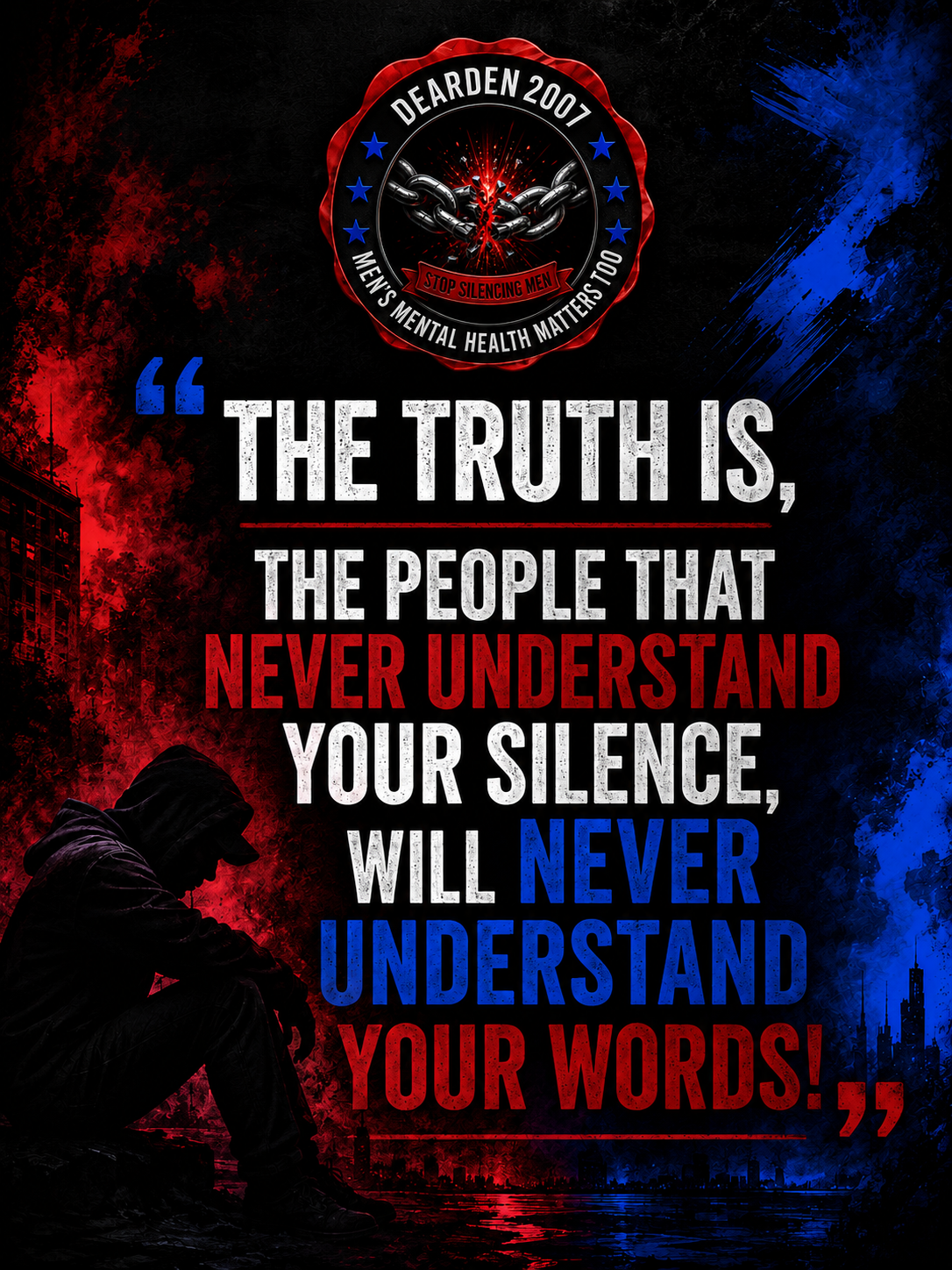
The Truth is... People that never understand
A reflection on the difference between hearing someone and truly understanding them. Sometimes silence communicates the pain, disappointment, exhaustion, or emotions that words cannot explain. When someone continually fails to recognize what your silence is saying, more words may not be enough to make them understand.
A reflection on the difference between hearing someone and truly understanding them. Sometimes silence communicates the pain, disappointment, exhaustion, or emotions that words cannot explain. When someone continually fails to recognize what your silence is saying, more words may not be enough to make them understand.
The Red Pill Documentary | Cassie Jaye | Paul Elam | Karen Straughen | Men are Good
Documentary on the Mens Rights Movement
Documentary on the Mens Rights Movement
Click anywhere to watch
MUTED PREVIEW
YouTube VideoPaul Elam
Setting Boundaries With High-Conflict Women — Paul Elam
Paul Elam discusses the difficulty men can face when dealing with highly conflict-driven, manipulative, or emotionally volatile relationship behavior. His delivery is blunt and includes strong language, but the underlying discussion focuses on recognizing unhealthy dynamics, setting boundaries, and protecting your mental and emotional well-being.
Content Advisory: Contains profanity and blunt relationship language, including repeated use of the phrase “crazy bitches.”
Paul Elam discusses the difficulty men can face when dealing with highly conflict-driven, manipulative, or emotionally volatile relationship behavior. His delivery is blunt and includes strong language, but the underlying discussion focuses on recognizing unhealthy dynamics, setting boundaries, and protecting your mental and emotional well-being.
Content Advisory: Contains profanity and blunt relationship language, including repeated use of the phrase “crazy bitches.”
Click anywhere to watch
MUTED PREVIEW
YouTube VideoDearden2007
You don't want me to be with you, You don't want me to be with anyone else....
Click anywhere to watch
MUTED PREVIEW
YouTube VideoDearden2007
Only Quality People
Click anywhere to watch
MUTED PREVIEW
YouTube VideoDearden2007
She said she was hungry....
Click anywhere to watch
MUTED PREVIEW
YouTube VideoDearden2007
When a person truely doesn't want you anymore....
You know,
I finally found out and figured it all out...
When a person truely doesn't want you anymore...
They'll hurt and ignore you,
Until you leave
You know,
I finally found out and figured it all out...
When a person truely doesn't want you anymore...
They'll hurt and ignore you,
Until you leave
Click anywhere to watch
MUTED PREVIEW
YouTube VideoPaul Elam
Male Privilege Vs Male Disposability | Paul Elam
Paul Elam Speaking on Male Disposability
Paul Elam Speaking on Male Disposability
Click anywhere to watch
TikTok LiveDearden2007
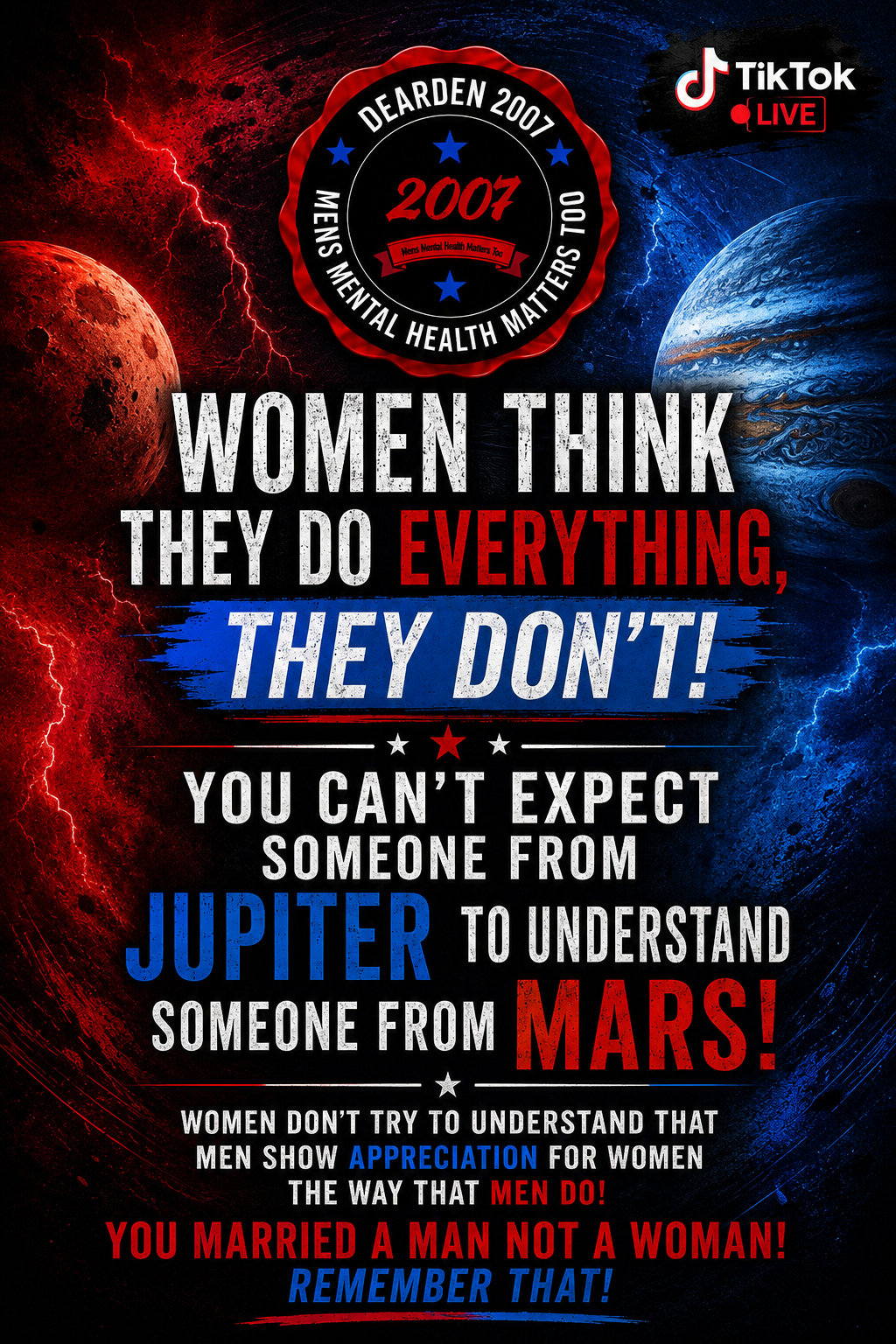
Women Think They Do Everything—But Do They?
A discussion starter about how men and women can complement each other while showing love, effort, and appreciation in different ways. The debate challenges the tendency to overlook the nine things a man does right because of the one thing he gets wrong. Instead of expecting men and women to think, communicate, or contribute identically, the conversation asks whether relationships would be stronger if both learned to recognize and appreciate what the other brings to the table.
A discussion starter about how men and women can complement each other while showing love, effort, and appreciation in different ways. The debate challenges the tendency to overlook the nine things a man does right because of the one thing he gets wrong. Instead of expecting men and women to think, communicate, or contribute identically, the conversation asks whether relationships would be stronger if both learned to recognize and appreciate what the other brings to the table.
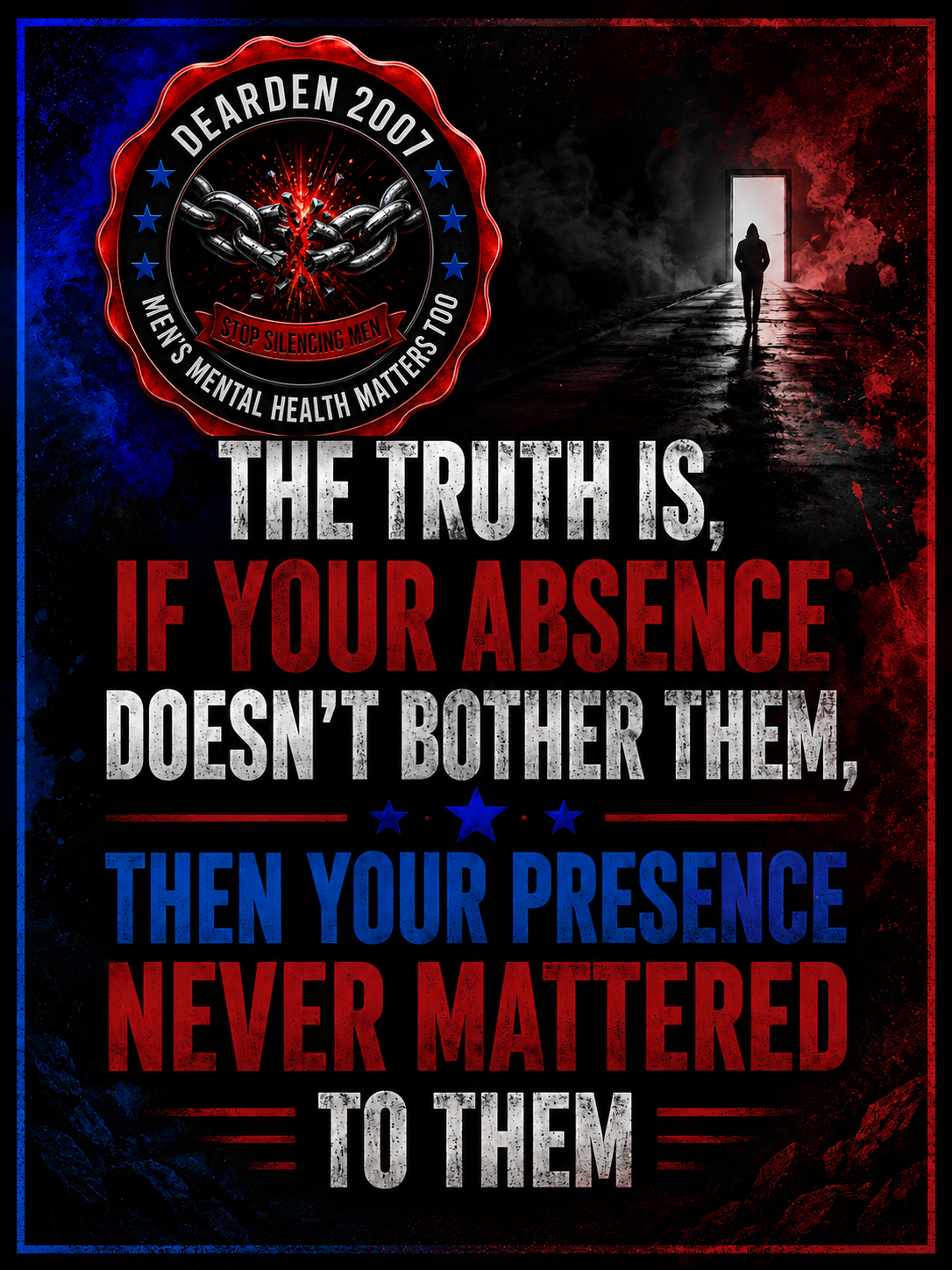
A reflection on what absence can reveal about a relationship. When someone barely notices that you are gone, it can force you to question how much your presence was truly valued. Sometimes distance makes the truth clearer than words ever could.
A reflection on what absence can reveal about a relationship. When someone barely notices that you are gone, it can force you to question how much your presence was truly valued. Sometimes distance makes the truth clearer than words ever could.
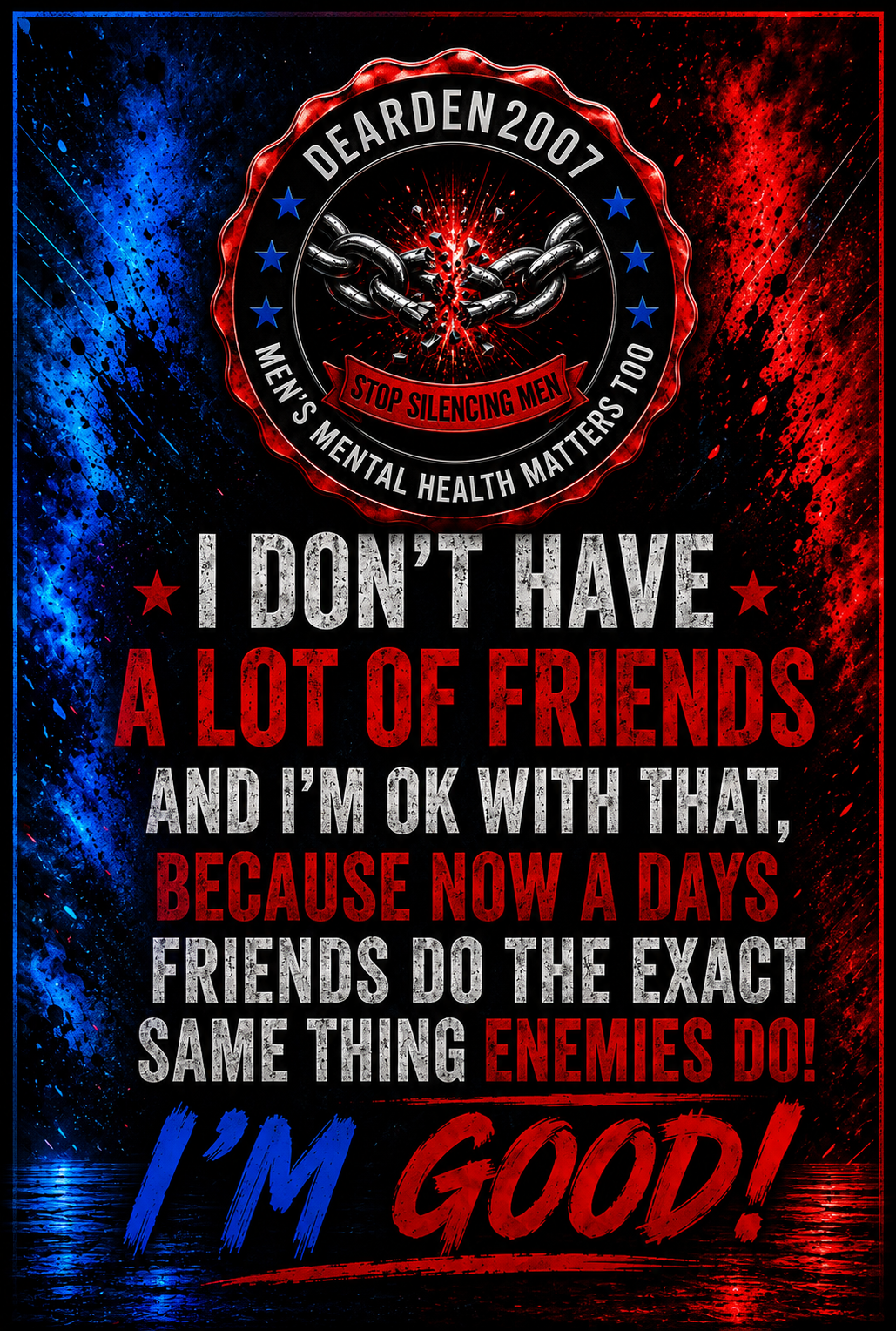
A bold reflection on friendship, loyalty, and boundaries. This quote speaks to the realization that having a smaller circle can bring peace when people who call themselves friends behave in ways once expected only from enemies. Sometimes protecting your peace means becoming more selective about who gets access to your life.
A bold reflection on friendship, loyalty, and boundaries. This quote speaks to the realization that having a smaller circle can bring peace when people who call themselves friends behave in ways once expected only from enemies. Sometimes protecting your peace means becoming more selective about who gets access to your life.